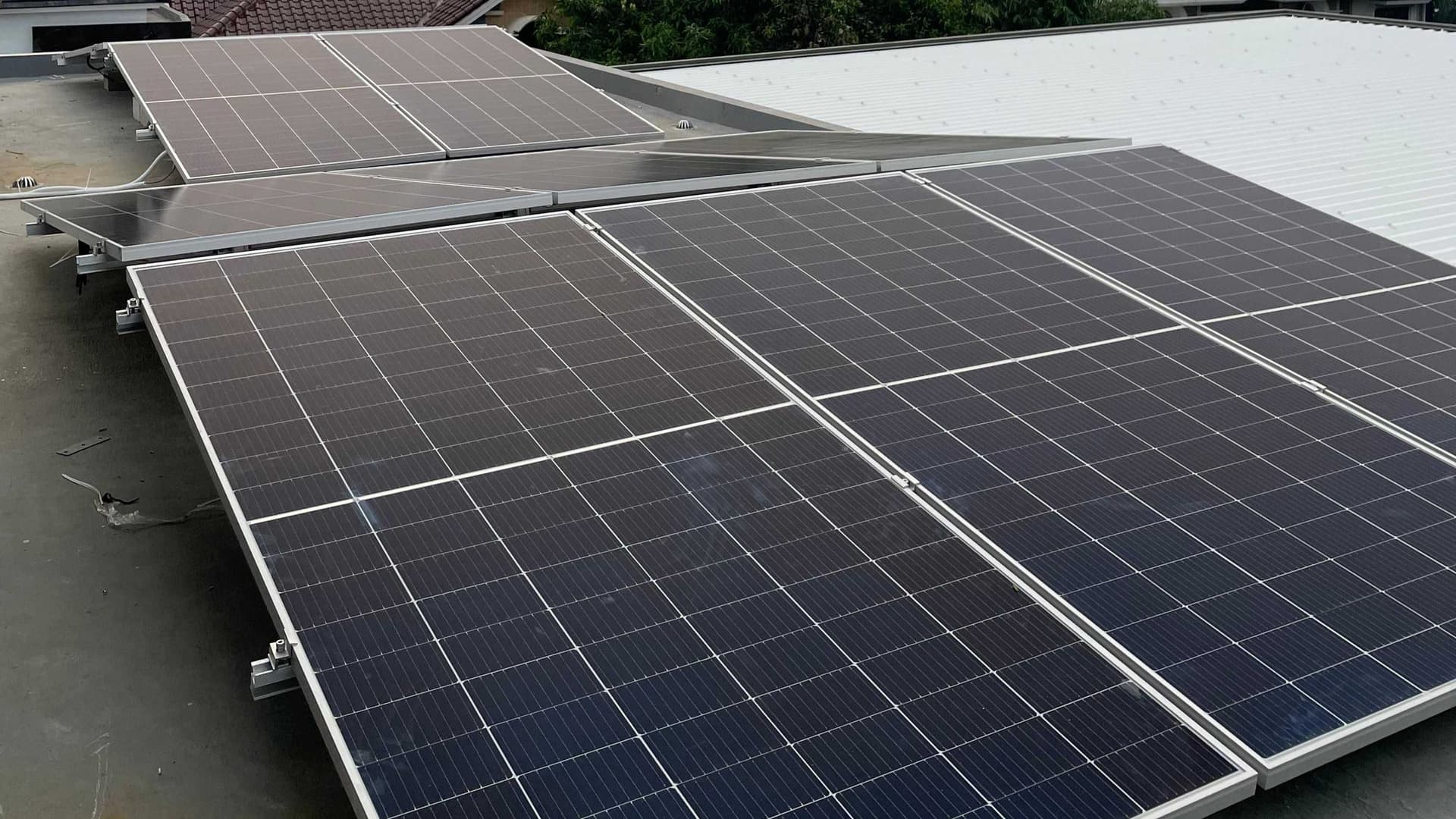
Solar panels help generate an eco-friendly source of electricity. This clean energy source helps reduce carbon emissions.
In addition to generating clean energy, using solar panels can lower monthly electricity costs, thus it makes electricity costs cheaper. Reduced operational overhead can, in turn, boost your productivity.
When discussing productivity, the durability of solar panels is a crucial factor.
Understanding solar panel durability is key to making informed decisions regarding future maintenance and the continued use of clean energy.
How long do solar panels last?
Solar panels have a lifespan of up to 25 years. This figure is based on service life testing; the panels are designed to be robust and highly durable.
After 25 years, solar panels experience an average efficiency degradation of 0.5% per year. In other words, they still generate 87.5% of their original output capacity upon entering this degradation phase.
While the degradation process results in lower electricity output than usual, actual performance also depends heavily on care, maintenance, and installation location.
If you have been using solar panels for over 25 years, you can contact Batari Energy for renewable energy durability solutions.
Factors affecting solar panel lifespan
Solar panel durability is influenced by several factors, such as product quality, installation, location, and maintenance.
1. Product quality
Solar panels made from high-quality materials can extend their service life. Although the initial cost is higher, their durability ensures more optimal solar energy utilization.
Monocrystalline solar panels have the lowest degradation rate at 0.3% per year. Polycrystalline panels have a degradation rate of 0.5%, while thin-film panels degrade at a rate of 1%–2% per year. Consequently, monocrystalline panels offer superior durability due to their lower degradation rates.
2. Routine maintenance
Regular maintenance helps preserve the performance quality of solar panels. Maintenance can range from simply cleaning dust and debris off the solar panels to a comprehensive annual service.
3. Solar panel placement
Solar panels cannot effectively absorb sunlight if struck by solid objects—such as rocks, wood, or falling fruit. To avoid costly repairs, install your solar panels in an elevated, clear area where they are unlikely to be hit by foreign objects.
When should you replace your solar panels?
Solar panels come with a performance warranty of up to 25 years. This long-term warranty ensures the solar power system remains viable well into the future.
However, you should consider a replacement if you notice a decline in electricity output, an increase in electricity bills (despite no rate hike from the utility provider), or if the panel efficiency drops below 80%.
If any of these situations apply, it is time to consider replacing your solar panels. Contact Batari Energy to order a solar power system via this link!